

When couples start working toward having a baby, the focus almost immediately lands on tracking ovulation, monitoring cycles, and buying stacks of home pregnancy tests. It is a familiar rhythm, but it leaves out half of the equation.
Fertility is a shared journey. When conception takes longer than expected, looking into male reproductive health early on saves time, money, and emotional strain. Getting a semen analysis testing Akure is one of the most straightforward, practical steps a man can take to get real, actionable clarity about his health.
Whether you are proactively checking your fertility before trying, working through months of unassisted attempts, or preparing for specialized reproductive care, this guide breaks down everything you need to know about semen analysis in Ondo State.
What Is Semen Analysis Testing?
A semen analysis test—frequently called a seminal fluid analysis (SFA) or a simple sperm count test—is a specialized laboratory evaluation. It measures not just how many sperm cells are present in a sample, but how well those cells are constructed and how effectively they swim.
It is helpful to think of a semen analysis as a detailed inspection of a transport network. The seminal fluid acts as the vehicle and fuel, while the sperm cells are the navigators. If the liquid environment lacks the proper balance, or if the sperm cells cannot swim efficiently, reaching and fertilizing an egg becomes significantly harder.
At Netcare Fertility Centre in Akure, a semen analysis is not treated as a routine commercial lab check. It is carried out under controlled, fertility-grade laboratory conditions to ensure that subtle details are not overlooked.
Why Is a Sperm Test Necessary?
There is a long-standing misconception that fertility issues stem primarily from female reproductive factors. Medical science paints a very different picture.
Globally and across Nigeria, male factors contribute to nearly 40% to 50% of all conception delays. Sometimes it is the sole reason; other times, it combines with female factors like irregular ovulation or tubal blockages.
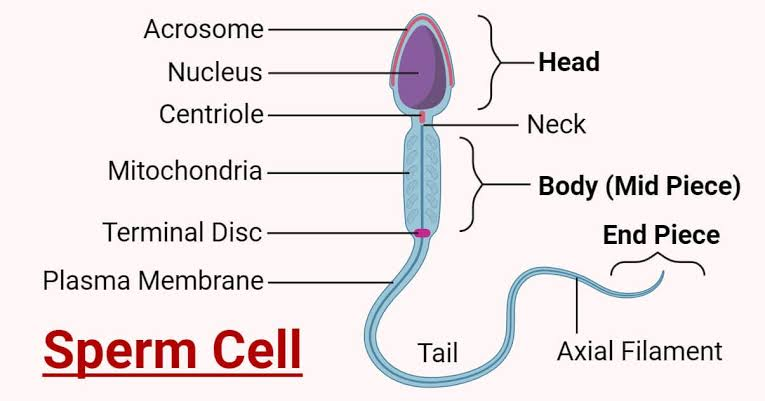
Structure of a human sperm cell evaluated during analysis. Source: Microbe Notes
Common Reasons to Book a Test
- Trying Without Success: If you and your partner have been having unprotected intercourse for 6 to 12 months without a pregnancy, a sperm test is one of the very first diagnostics recommended.
- Pre-Conception Family Planning: Many couples prefer to run baseline health checks before trying to conceive, ensuring there are no hidden roadblocks.
- Evaluating Physical Symptoms: Discomfort in the testicles, previous groin injuries, testicular swelling, or history of undescended testicles warrant an early evaluation.
- Post-Medical or Surgical Follow-up: Men recovering from varicocele repairs, hernia surgeries, or specific hormonal treatments need a follow-up test to confirm improvements.
- Preparing for Assisted Reproductive Technology (ART): If you are moving toward Intrauterine Insemination (IUI) or In-Vitro Fertilization (IVF), a fresh semen analysis determines the exact laboratory protocol required.
Take the First Step Toward Clarity
Ready to book your private semen analysis testing in Akure? Contact our embryology team at Netcare Fertility Centre to ask questions, verify pricing, or reserve a discrete appointment slot.
What Key Parameters Does the Laboratory Measure?
A thorough semen analysis splits its evaluation into two primary phases: macroscopic examination (what can be observed physically) and microscopic examination (what requires high-power lab equipment to count and analyze).
The criteria used globally—and at Netcare Fertility Centre—are aligned with the latest World Health Organization (WHO) reference benchmarks.
WHO Reference Guidelines for Normal Semen Parameters
| Parameter | Normal Reference Value (WHO Standard) | Why It Matters for Fertility |
| Total Semen Volume | 1.5 mL per sample | Adequate fluid volume is required to carry sperm into the reproductive tract and neutralize natural vaginal acidity. |
| Sperm Concentration | 15 million sperm/mL | Measures the density of sperm cells per milliliter of fluid. |
| Total Sperm Count | 39 million per ejaculate | The combined number of sperm in the entire ejaculate. |
| Total Motility | 40% moving sperm | The overall percentage of sperm that show movement. |
| Progressive Motility | 32% forward-swimming | Sperm must swim actively in a straight line or large circles to navigate through cervical mucus. |
| Morphology (Shape) | 4% normal forms | Evaluates physical structure. Sperm with properly formed oval heads and single straight tails penetrate egg walls much easier. |
| Semen pH | 7.2 – 8.0 | An optimal alkaline pH protects sperm from acidic environments. Deviations can signal seminal vesicle or prostate blockage. |
| Liquefaction Time | Within 15 to 30 minutes | Semen initially ejaculates as a gel and must liquefy so sperm can swim freely. Delayed liquefaction suggests prostate issues. |
| Vitality (Viability) | 58% live sperm | Distinguishes between non-moving sperm that are alive versus those that are non-viable. |
| White Blood Cells | 1.0$ million/mL | Higher levels (leukocytospermia) usually point to an active reproductive tract infection. |
How to Prepare for Your Test to Ensure Accurate Results
Sperm health is sensitive to daily lifestyle variables, physical stress, and heat. A single minor mistake during preparation can artificially skew your results, leading to unnecessary anxiety or an incorrect diagnosis.
Here is how to properly prepare before coming in for your appointment:
1. Maintain the Recommended Abstinence Window
The sweet spot for sexual abstinence is 2 to 5 days.
- Ejaculating within 24–48 hours prior to the test can result in a falsely low sperm count.
- Abstaining for longer than 7 days causes older sperm cells to accumulate and break down, which drops your motility scores.
2. Pause Harmful Habits
Avoid alcohol consumption, smoking, and recreational substances for at least 3 to 5 days before sample collection. Toxins alter sperm motility and cause oxidative stress in seminal fluid.
3. Review Your Medication List
Certain prescription drugs, antibiotics, anabolic steroids, and even over-the-counter supplements can temporarily suppress sperm production or alter seminal chemistry. Be sure to let your fertility specialist know what you are currently taking.
4. Keep things Cool
Avoid hot baths, saunas, steam rooms, or resting heavy laptops directly on your lap during the week leading up to your test. Elevated scrotal temperatures impair overall sperm production.
Step-by-Step: What to Expect During Sample Collection
It is completely normal to feel a bit hesitant or self-conscious about providing a semen sample. Understanding how the process works helps eliminate awkwardness and keeps the focus where it belongs: on your health.
- Check-In and Registration: Arriving at Netcare Fertility Centre, Akure.
Upon arrival, you will check in privately with the clinical team. You will be given a sterile, labeled collection cup. It is vital to use only the provided container, as commercial plastics or food containers contain chemicals toxic to sperm cells.
2. Sample Collection in the Dedicated Suite: Private on-site room designed for comfort.
You will be shown to a private, quiet collection room equipped with comfortable seating, privacy locks, and hand hygiene facilities. The sample is produced via masturbation. Lubricants, lotions, or saliva should not be used, as they destroy sperm membranes and invalidate motility readings.
3. Immediate Hand-Off to the Laboratory: Temperature control within minutes of collection.
Once collected, the container is tightly capped and handed directly to the embryology lab staff inside the facility. Fast handling preserves sample temperature near body level ($37^\circ\text{C}$), ensuring motility readings remain accurate.
4. Laboratory Microscopic Evaluation: 24 to 48 hour detailed processing window.
The lab team allows the sample to liquefy before running it through high-resolution microscopic analysis, automated cell counts, and vitality staining.
Where to Get Semen Analysis Testing in Akure
While general diagnostic laboratories across Ondo State offer basic blood and fluid checks, a fertility evaluation requires specialized expertise. Standard labs often use manual, rapid counts that miss nuanced morphology defects or fail to track progressive versus non-progressive movement correctly.
Netcare Fertility Centre operates as a specialized reproductive care clinic in Akure, offering high-precision diagnostic testing for men and couples.
Facility Contact & Location Details
- Facility Name: Netcare IVF & Fertility Centre
- Address: 10, Owo Avenue, Opposite Royal Birds Hotel, Ijapo Estate, Akure, Ondo State
- Direct Enquiries / WhatsApp: +234 703 028 4487 | +234 913 885 0710
- Hours of Operation: Monday through Sunday, 9:00 AM – 9:00 PM
Semen Analysis Test Pricing in Ondo State
The investment for a semen analysis varies based on the thoroughness of the panel requested. Basic screenings that only count total cells differ from comprehensive fertility panels that incorporate biochemical markers, fructose testing, or semen cultures to rule out underlying bacterial infections.
Because laboratory rates change over time due to specialized reagent availability, we encourage clients to request a direct, up-to-date quote prior to their visit.
Decoding Your Results: What Do Abnormal Parameters Mean?
Receiving a lab report filled with medical terminology can feel overwhelming. Here is a quick reference for common diagnostic terms:
- Oligospermia (Low Sperm Count): Concentration is below 15 million/mL. This reduces the statistical odds of natural conception, but it does not mean natural pregnancy is impossible.
- Azoospermia (Zero Sperm): No sperm cells are seen in the ejaculated fluid. This can stem from a physical blockage in the vas deferens (obstructive) or a production issue within the testicles (non-obstructive).
- Asthenospermia (Low Motility): Less than 32% of sperm swim forward progressively. Poor movement prevents sperm from travelling up the fallopian tubes.
- Teratospermia (Abnormal Shape): Fewer than 4% of sperm display normal head and tail geometry, making egg penetration difficult.
- Aspermia (Complete Absence of Ejaculate): No fluid is produced during orgasm. This may point to retrograde ejaculation (where fluid flows backward into the bladder).
A Single Test Is Not a Final Verdict: Sperm production (spermatogenesis) operates on a roughly 72-to-90-day cycle. Illness, recent fever, severe emotional stress, or temporary medication can cause a temporary dip in sample quality. If your first result comes back abnormal, your specialist will typically recommend repeating the test 4 to 8 weeks later before making a final diagnosis.
Practical Ways to Support Sperm Quality
If your results fall slightly below standard reference ranges, simple lifestyle adjustments often produce visible improvements over a 3-month window:
- Prioritize Nutrient-Dense Foods: Focus on foods rich in zinc, selenium, vitamin C, vitamin E, and folate. Leafy greens, nuts, seeds, lean meats, and eggs support healthy sperm production.
- Exercise Consistently (In Moderation): Moderate resistance training and daily activity support healthy testosterone levels. Avoid extreme endurance cycling, which puts excessive pressure on scrotal blood vessels.
- Manage Stress and Sleep: Chronic stress triggers cortisol production, which directly suppresses testosterone output. Aim for 7 to 8 hours of restorative sleep per night.
- Treat Underlying Infections Promptly: Asymptomatic prostate or urinary tract infections degrade sperm membranes. A simple semen culture can identify hidden bacteria so your doctor can prescribe targeted antibiotics.
Take the First Step Toward Clarity
Ready to book your private semen analysis testing in Akure? Contact our embryology team at Netcare Fertility Centre to ask questions, verify pricing, or reserve a discrete appointment slot.
Frequently Asked Questions
What causes a low sperm count?
Low sperm count can stem from hormonal imbalances, past infections (like untreated STIs or childhood mumps), physical varicoceles (enlarged scrotal veins), environmental toxin exposure, or genetic factors. A doctor will review your results alongside your overall medical history to pinpoint the underlying cause.
Does a normal semen analysis guarantee pregnancy?
A normal semen analysis is a great indicator of male reproductive capability, but it measures physical parameters—not genetic integrity or egg-sperm interaction dynamics. If results are completely normal but pregnancy is still delayed, your specialist will explore female fertility factors or look into advanced functional tests.
How quickly will I get my semen test results?
At Netcare Fertility Centre, routine seminal fluid analysis reports are typically completed and ready for consultation within 24 to 48 hours.
Can I collect my semen sample at home and bring it in?
It is strongly recommended to collect your sample on-site at Netcare Fertility Centre in Ijapo Estate. If home collection is unavoidable, the sample must be kept at body temperature (inside a warm pocket) and delivered to the laboratory within 30 to 45 minutes. Delays past this window degrade sperm motility and alter results.