

You can feel perfectly fine and still have an infection affecting your reproductive health.
That’s part of what makes some reproductive tract infections easy to overlook. Not every infection causes obvious pain, unusual discharge or fever. Some sexually transmitted infections, particularly chlamydia, may cause few or no noticeable symptoms. When certain infections remain untreated and spread into the upper reproductive tract, however, they can cause inflammation and scarring that may eventually affect fertility.
So, can infections affect your reproductive health? Yes. Some infections can affect the cervix, uterus and fallopian tubes. In more serious cases, untreated infection may contribute to pelvic inflammatory disease (PID), damage to the fallopian tubes, ectopic pregnancy or difficulty becoming pregnant.
That doesn’t mean every vaginal or reproductive infection causes infertility. Far from it. The type of infection, where it occurs, whether it spreads and how quickly appropriate treatment begins all matter.
Here’s what women should know.
How Can Infections Affect Female Fertility?
To understand the connection between infections and female fertility, it helps to look at what has to happen for pregnancy to occur.
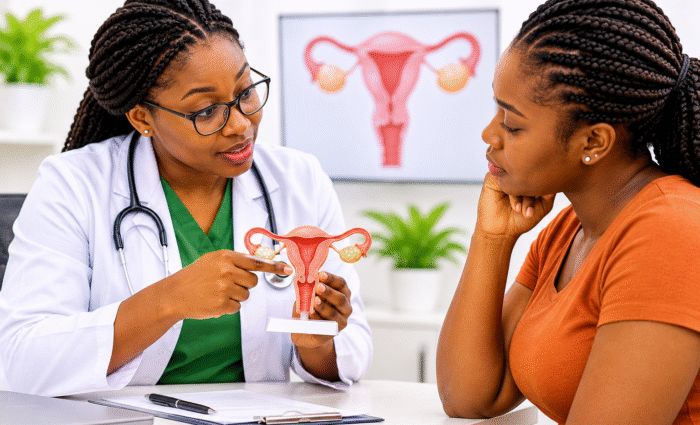
An ovary releases an egg. The egg enters a fallopian tube, where fertilisation may occur. The resulting embryo then travels towards the uterus, where it can implant.
The fallopian tubes therefore have an important job—and they’re particularly relevant when we talk about infection-related fertility problems.
Some infections begin in the lower genital tract but can move upwards through the cervix into the uterus and fallopian tubes. When this causes pelvic inflammatory disease, inflammation can damage reproductive tissue.
As the tissue heals, scar tissue or adhesions may develop. In some women, this can partially or completely block a fallopian tube.
If an egg and sperm can’t travel through the tube normally, conception may become more difficult. Damage to the tube can also increase the risk of an ectopic pregnancy, in which a fertilised egg implants outside the uterus, most commonly within a fallopian tube.
This is why treating certain infections promptly isn’t only about stopping today’s symptoms. It can also be part of protecting future reproductive health.
Which Infections Can Affect Reproductive Health?
Not all infections affect fertility in the same way. Some mainly cause temporary symptoms, while others can lead to complications when they’re untreated.
Chlamydia
Chlamydia is a sexually transmitted bacterial infection that deserves particular attention because it frequently causes no obvious symptoms.
A woman may therefore have the infection without knowing it.
If untreated chlamydia spreads upwards into the reproductive organs, it can contribute to pelvic inflammatory disease. Repeated or severe episodes of inflammation can damage the fallopian tubes and potentially affect fertility.
When symptoms do occur, they may include:
- unusual vaginal discharge
- pain or burning during urination
- pelvic or lower abdominal discomfort
- pain during sex
- bleeding between periods
The absence of these symptoms doesn’t automatically mean an infection isn’t present.
Gonorrhoea
Gonorrhoea is another sexually transmitted bacterial infection associated with PID.
Like chlamydia, gonorrhoea doesn’t always produce obvious symptoms in women. When symptoms occur, they can sometimes be mistaken for a bladder or vaginal infection.
Untreated infection may spread beyond the cervix and cause inflammation within the upper reproductive tract. This is where the potential effect on fertility becomes more significant.
Pelvic Inflammatory Disease (PID)
Pelvic inflammatory disease isn’t one particular sexually transmitted infection. It describes infection and inflammation affecting the upper female reproductive organs, which may include the uterus, fallopian tubes and ovaries.
Chlamydia and gonorrhoea are well-known causes, although other bacteria can also be involved.
PID can be mild enough to go unnoticed. In other cases, women may experience:
- lower abdominal or pelvic pain
- unusual vaginal discharge
- bleeding between periods
- pain or bleeding during sex
- painful urination
- fever or chills
The concern is what may happen after inflammation has damaged the fallopian tubes.
Scar tissue can interfere with normal movement through the tubes and may increase the risk of infertility or ectopic pregnancy.
And there’s another reason early assessment matters: treating PID can eliminate the infection, but treatment can’t necessarily reverse scar tissue that has already formed.
Does Bacterial Vaginosis Cause Infertility?
This question needs a careful answer.
Bacterial vaginosis (BV) occurs when the normal balance of bacteria within the vagina changes. It isn’t classified in the same way as chlamydia or gonorrhoea.
BV has been associated with pelvic inflammatory disease, but having bacterial vaginosis does not automatically mean a woman will become infertile.
If you repeatedly experience unusual discharge, odour, irritation or other vaginal symptoms, don’t assume you know the cause and repeatedly self-medicate. Similar symptoms can occur with different conditions, and the correct treatment depends on the diagnosis.
Can a Yeast Infection Cause Infertility?
A typical vaginal yeast infection is not considered a common direct cause of infertility.
This distinction matters because women sometimes hear the broad statement that “infections cause infertility” and understandably become worried whenever they develop vaginal itching or discharge.
Different infections affect the reproductive system differently.
A straightforward vaginal yeast infection isn’t the same thing as an untreated bacterial STI progressing to pelvic inflammatory disease.
If symptoms keep returning, don’t simply keep buying the same medication. Recurrent symptoms deserve proper assessment because what appears to be a yeast infection may have another cause.
Why Can an Infection Be Present Without Symptoms?
This is probably one of the most important things to understand about reproductive infections.
No symptoms doesn’t always mean no infection.
Chlamydia, for example, is frequently asymptomatic. Some women with pelvic inflammatory disease may also experience only mild or nonspecific symptoms.
Think about how easy those symptoms can be to dismiss: slightly unusual discharge, occasional pelvic discomfort or spotting between periods. None necessarily feels dramatic enough to trigger an urgent clinic visit.
Yet reproductive damage isn’t determined by how uncomfortable an infection feels.
That’s why appropriate STI testing and reproductive health assessments matter, particularly when a woman has risk factors, has had a previous infection or is experiencing difficulty conceiving.
Signs of a Reproductive Infection You Shouldn’t Ignore
Symptoms alone can’t tell you exactly which infection you have. Testing and clinical evaluation may be needed.
Still, it is sensible to seek medical advice if you notice:
- Persistent or unusual vaginal discharge
- Strong or unusual vaginal odour
- Pelvic or lower abdominal pain
- Pain during sexual intercourse
- Burning or pain when urinating
- Bleeding between menstrual periods
- Bleeding after intercourse
- Fever occurring with pelvic symptoms
- Repeated vaginal or urinary symptoms
- New symptoms following possible exposure to an STI
Severe pelvic or abdominal pain, fainting, dizziness, heavy bleeding, high fever, vomiting or possible pregnancy accompanied by significant pain warrants urgent medical assessment.
Can an Old Infection Cause Fertility Problems Years Later?
Yes, in some cases.
The active infection may have disappeared or been treated, but previous inflammation may already have caused scarring within the fallopian tubes.
A woman may therefore have regular periods and feel completely healthy yet discover tubal damage only when she begins trying to conceive.
This is one reason your medical history matters during a fertility assessment.
Tell your fertility specialist about previous:
- pelvic inflammatory disease
- chlamydia or gonorrhoea
- recurrent pelvic infections
- pelvic or abdominal surgery
- ectopic pregnancy
- unexplained pelvic pain
Even an infection from years ago may be relevant when investigating current fertility difficulties.
Does Having an Infection Mean You’ll Become Infertile?
No.
Having an infection does not automatically mean you are infertile.
Many infections are diagnosed and treated without causing long-term reproductive complications. Risk becomes more concerning when certain infections remain untreated, spread to the upper reproductive organs or cause repeated episodes of pelvic inflammatory disease.
The practical message isn’t to panic about every infection.
It’s to avoid ignoring symptoms, delaying appropriate testing or repeatedly treating yourself without knowing what you’re treating.
How Do Doctors Check Whether a Previous Infection Has Affected Fertility?
If you’ve had a previous pelvic infection and are concerned about fertility, the appropriate tests depend on your history and symptoms.
A fertility assessment may include:
1. Medical and reproductive history
Your doctor may ask about previous infections, menstrual cycles, pregnancies, miscarriages, pelvic surgery, sexual health history and how long you’ve been trying to conceive.
Don’t leave out an old infection because you think it happened too long ago to matter. It may still provide useful information.
2. Pelvic ultrasound
An ultrasound can help assess the uterus, ovaries and surrounding pelvic structures.
It doesn’t answer every fertility question, but it can provide valuable information about reproductive anatomy and other conditions that may affect conception.
3. Hysterosalpingogram (HSG)
An HSG is an imaging test commonly used during fertility evaluation to assess the uterine cavity and determine whether the fallopian tubes appear open.
If previous infection has caused significant tubal blockage, an HSG may help identify it.
4. Additional fertility investigations
Depending on your situation, your fertility specialist may recommend blood tests, ovarian reserve assessment, hysteroscopy, laparoscopy or other investigations.
Fertility evaluation should also consider the male partner when applicable. Difficulty conceiving isn’t automatically a female problem, and evaluating both partners can prevent unnecessary delays.
Can You Still Get Pregnant After Pelvic Inflammatory Disease?
Yes. A history of PID doesn’t automatically prevent pregnancy.
The effect depends partly on whether the fallopian tubes were damaged and how extensive that damage is.
Some women conceive naturally after treatment. Others may experience difficulty because one or both tubes have become scarred or blocked.
If both fallopian tubes are significantly damaged, fertility treatment such as in vitro fertilisation (IVF) may be considered because IVF allows fertilisation to occur outside the body rather than relying on sperm and egg meeting inside the fallopian tube.
But treatment decisions shouldn’t be based simply on the fact that you’ve had an infection. Proper evaluation comes first.
What Should You Do If You’ve Had an Infection and You’re Trying to Conceive?
Start with your medical history rather than assuming the worst.
Step 1: Tell your doctor about previous infections
Mention previous STIs, PID or recurrent reproductive infections, even if they were treated years ago.
Step 2: Don’t rely on symptoms alone
You may feel completely well and still need testing depending on your history and risk factors.
Step 3: Complete prescribed treatment
If an infection is diagnosed, take medication exactly as directed by your healthcare professional. Don’t stop simply because symptoms disappear.
Step 4: Make sure partner management isn’t overlooked
For sexually transmitted infections, appropriate evaluation and treatment of sexual partners may be necessary to reduce the risk of reinfection.
Step 5: Consider fertility evaluation when appropriate
If you’ve been trying to conceive without success—or you have a known history that may affect the fallopian tubes—speak with a fertility specialist about whether earlier evaluation makes sense.
How Can Women Protect Their Reproductive Health?
You can’t prevent every reproductive health condition, but there are practical ways to reduce infection-related risks.
Get tested when appropriate. STI screening can detect infections that may otherwise remain unnoticed.
Use condoms correctly and consistently. Condoms can significantly reduce the risk of many sexually transmitted infections.
Seek care when something changes. Persistent pelvic pain, abnormal bleeding, painful intercourse and unusual discharge deserve medical attention.
Don’t self-diagnose every vaginal symptom. Discharge doesn’t automatically mean yeast infection, and pelvic pain doesn’t automatically mean PID. Proper diagnosis matters.
Complete your treatment. Feeling better isn’t the same thing as confirming that an infection has been adequately treated.
Encourage appropriate partner testing and treatment. Otherwise, reinfection can occur.
Keep reproductive health appointments. Routine gynaecological care provides opportunities to discuss symptoms, sexual health, cervical screening and fertility concerns before they become bigger problems.
Common Myths About Infections and Female Fertility
Myth 1: “If I had an STI, I’m probably infertile.”
Not necessarily. Many STIs can be successfully treated, particularly when detected early. Having had an infection doesn’t by itself establish infertility.
Myth 2: “I don’t have symptoms, so I can’t have an infection.”
False. Some reproductive infections, including chlamydia, frequently cause no symptoms.
Myth 3: “All vaginal infections can damage the fallopian tubes.”
No. Different infections behave differently. A routine vaginal yeast infection, for example, isn’t equivalent to PID.
Myth 4: “Once an infection is treated, any fertility damage disappears.”
Antibiotics can treat susceptible bacterial infections, but they don’t necessarily reverse scar tissue that has already formed in the reproductive tract.
Myth 5: “Regular periods mean my fallopian tubes must be open.”
Not necessarily. Menstruation and tubal openness are different aspects of reproductive function. A woman can have regular menstrual cycles and still have a blocked fallopian tube.
When Should You See a Fertility Specialist?
For couples without known fertility risk factors, infertility is generally defined as not achieving pregnancy after 12 months of regular unprotected intercourse.
However, waiting isn’t always appropriate.
If you have a history of pelvic inflammatory disease, suspected tubal disease, previous ectopic pregnancy or another known reproductive condition, discuss your history with a healthcare professional. Earlier evaluation may be appropriate.
At Netcare IVF | Fertility Centre in Akure, Ondo State, fertility evaluation may include review of your medical and reproductive history, pelvic ultrasound, hormonal investigations and assessment of the fallopian tubes where clinically indicated.
The point isn’t to jump straight into fertility treatment.
It’s to understand what is happening first.
Frequently Asked Questions
Can infections cause infertility in women?
Some infections can contribute to infertility, particularly when they cause pelvic inflammatory disease and damage or scarring of the fallopian tubes. Chlamydia and gonorrhoea are important examples. However, having an infection doesn’t automatically mean a woman will become infertile.
Should I have fertility testing after pelvic inflammatory disease?
A history of PID is relevant to fertility because of the potential for tubal damage. If you’re planning a pregnancy or having difficulty conceiving, discuss that history with a fertility specialist, who can determine whether tubal or other fertility testing is appropriate.
How do I know if an infection damaged my fallopian tubes?
Symptoms alone can’t confirm whether your tubes are open. Fertility specialists may use investigations such as an HSG and, in selected cases, other imaging or procedures to assess the reproductive tract.
Can I still become pregnant if one fallopian tube is blocked?
Pregnancy may still be possible if the other fallopian tube is healthy and functioning, although individual circumstances vary. A fertility specialist can assess your reproductive health and discuss your chances and treatment options.
Can a treated infection still affect fertility?
It can if reproductive damage occurred before treatment. Medication can clear susceptible bacterial infections, but existing scarring in the fallopian tubes may remain.
What infection can block the fallopian tubes?
Untreated infections associated with pelvic inflammatory disease can cause inflammation and subsequent scar tissue within the fallopian tubes. Chlamydia and gonorrhoea are among the infections commonly associated with PID.
Can I have a reproductive infection without knowing?
Yes. Some sexually transmitted infections, particularly chlamydia, can cause no noticeable symptoms. PID can also occasionally produce mild or nonspecific symptoms.
Protecting Your Reproductive Health Starts With Knowing What’s Happening
The relationship between infection and fertility isn’t as simple as “infection equals infertility.” Most importantly, not every infection causes fertility problems.
The greater concern is an untreated infection that reaches the upper reproductive tract, causes pelvic inflammatory disease and leaves damage behind. And because some infections don’t produce obvious symptoms, relying solely on how you feel isn’t always enough.
If you’ve had previous pelvic infections, PID or an STI and you’re worried about your fertility, you don’t have to guess about what may have happened.
A proper reproductive health and fertility assessment can help identify whether your uterus, ovaries and fallopian tubes appear healthy and whether further investigation is necessary.
Netcare IVF | Fertility Centre provides fertility evaluation and gynaecological services in Akure, Ondo State, including investigations that can help identify possible causes of difficulty conceiving.
If you have concerns about a previous infection or you’ve been trying to conceive without success, schedule a consultation with a qualified fertility specialist for an assessment based on your individual medical history.