
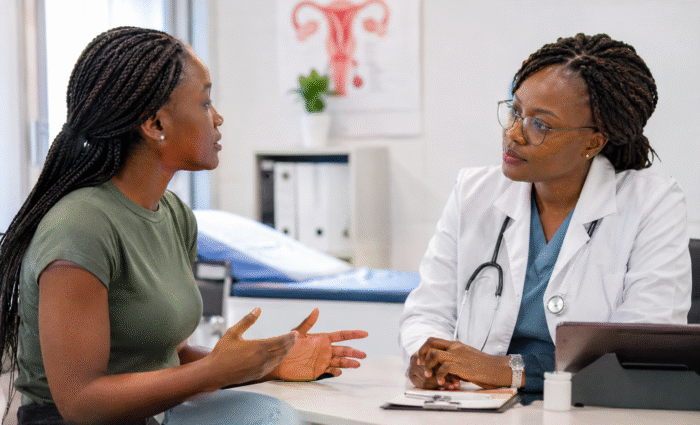

Have you been thinking of when to see a gynaecologist? Most women know they should see a gynaecologist at some point. The harder question is knowing when.
Is a suddenly painful period something to worry about? What about spotting between periods? Or discomfort during sex that keeps happening?
Some changes in your menstrual cycle or reproductive health are temporary and harmless. Others deserve medical attention, especially when they are persistent, severe or different from what is normal for you.
You should consider seeing a gynaecologist if you experience persistent pelvic pain, unusually heavy or irregular periods, bleeding between periods or after sex, unusual vaginal discharge, pain during sex, persistent vaginal discomfort, fertility concerns or other unexplained changes in your reproductive health.
The point isn’t to assume the worst. In fact, many of these symptoms have common and treatable causes. The reason to get checked is simpler: finding the cause early can help you get the right treatment and prevent a manageable problem from becoming more complicated.
Here are 10 signs you shouldn’t ignore.
1. Your Periods Have Become Very Heavy
Menstrual flow varies from one woman to another. What is normal for someone else may not be normal for you. The concern begins when your period becomes noticeably heavier than your usual pattern, lasts longer than expected or starts interfering with everyday life.
For example, you may notice that you:
- Need to change sanitary products much more frequently than before
- Bleed for longer than your usual period
- Pass unusually large blood clots
- Frequently bleed through clothes or bedding
- Feel unusually weak, tired or light-headed during your period
Heavy menstrual bleeding can have several possible causes, including uterine fibroids, adenomyosis, hormonal changes and other gynaecological conditions. Rather than simply learning to cope with increasingly heavy periods, speak with a gynaecologist if there has been a significant change in your menstrual flow.
2. Your Periods Are Becoming Increasingly Painful
Period cramps are common. Severe pain that regularly disrupts your life is different. If you routinely have to miss work, school, social activities or other responsibilities because of menstrual pain, it deserves attention. This is especially true if your periods used to be manageable but have become progressively more painful.
Conditions such as endometriosis, adenomyosis, fibroids and pelvic inflammatory disease can sometimes cause significant period or pelvic pain. Pain is also worth discussing with a gynaecologist if it occurs when you urinate, have a bowel movement or have sex, particularly around your period.
Your menstrual cycle shouldn’t repeatedly leave you unable to function normally.
3. You’re Bleeding Between Periods
A little unexpected spotting may seem easy to dismiss, particularly when it happens only once. But repeated bleeding between periods should be evaluated.
There are many possible explanations. Hormonal contraception, infections, cervical changes and other reproductive health conditions can cause unexpected bleeding.
The same applies to bleeding after sex. It doesn’t automatically mean that something serious is wrong, but recurrent bleeding after intercourse isn’t something to repeatedly ignore.
A gynaecological assessment can help determine where the bleeding is coming from and whether further testing is necessary.
4. You Have Persistent or Unexplained Pelvic Pain
Pelvic pain is pain felt in the lower abdomen or pelvic region.
Sometimes the cause is straightforward. Menstrual cramps, for example, may cause temporary pelvic discomfort. But pelvic pain that keeps returning, lasts for a long time, suddenly becomes severe or feels different from your usual period cramps should be assessed.
Possible gynaecological causes include:
- Endometriosis
- Ovarian cysts
- Fibroids
- Pelvic inflammatory disease
- Adenomyosis
Not every case of pelvic pain originates from the reproductive organs. The bladder, bowel and other structures in the pelvic area can also cause pain. That is precisely why persistent pelvic pain shouldn’t be self-diagnosed.
When Is Pelvic Pain an Emergency?
Seek urgent medical care if pelvic pain is sudden or severe, particularly when it occurs with heavy vaginal bleeding, fainting or dizziness, fever, vomiting, difficulty breathing, or if you are pregnant or may be pregnant.
Severe pelvic pain with vaginal bleeding during pregnancy can require urgent assessment.
5. Your Vaginal Discharge Has Changed
Vaginal discharge is normal. Healthy discharge helps keep the vagina clean and moist, and its amount and consistency can naturally change throughout the menstrual cycle. What deserves attention is a discharge that is noticeably different from what is normal for you.
Book an assessment if your discharge develops:
- A strong or unpleasant smell
- An unusual colour
- A noticeably different texture
- A significant unexplained increase
Changes in discharge accompanied by itching, soreness, pelvic pain, pain during urination or bleeding should also be checked. Several infections and vaginal conditions can cause similar symptoms, so trying to diagnose the problem based on appearance alone isn’t reliable.
6. Sex Has Become Painful
Pain during sex is more common than many women realise, but common doesn’t mean it should simply be tolerated.
Occasional discomfort can happen for relatively simple reasons, including inadequate lubrication. Persistent or deep pain during intercourse, however, may be associated with conditions such as endometriosis, pelvic inflammatory disease, vaginal dryness or other gynaecological problems.
Pay attention to the pattern.
Did the pain begin recently? Does it happen every time? Is it deep inside the pelvis? Are you also experiencing bleeding, unusual discharge or pelvic pain at other times? Those details can help your gynaecologist investigate the cause. Painful sex is a health concern, not something you need to quietly endure.
7. Your Periods Have Become Irregular or Suddenly Changed
Menstrual cycles aren’t identical every month, and an occasional late period can happen. Stress, weight changes, pregnancy, hormonal contraception and other factors may temporarily affect the menstrual cycle. But a persistent change deserves a closer look.
You may want to see a gynaecologist if:
- Your previously regular periods become consistently irregular
- Your periods suddenly become much heavier or lighter
- You repeatedly skip periods without being pregnant
- Your cycle becomes noticeably different from its usual pattern
Depending on your symptoms and medical history, a doctor may investigate possible causes such as hormonal changes, polycystic ovary syndrome (PCOS) and other reproductive or general health conditions.
Rather than focusing on whether your cycle matches someone else’s, pay attention to changes in your own normal pattern.
8. You Have Persistent Itching, Burning or Irritation
Itching around the vagina or vulva can be uncomfortable — and tempting to treat yourself immediately. But recurring itching, burning or soreness shouldn’t automatically be assumed to be a yeast infection.
Vaginal and vulval irritation can have different causes, including infections, skin irritation, hormonal changes and reactions to certain products.
You should consider an assessment if the symptoms persist, keep returning or occur alongside:
- Unusual vaginal discharge
- Pain during urination
- Pain during sex
- Sores, blisters or lumps
- Unexplained spotting or bleeding
Repeatedly using over-the-counter treatments without knowing the cause can delay the correct diagnosis.
9. You’re Having Difficulty Getting Pregnant
A gynaecologist isn’t only someone you see when you’re experiencing pain or bleeding. Fertility concerns are another important reason to seek specialist care.
If pregnancy isn’t happening as expected, an evaluation can help identify factors that may be affecting conception. Depending on your circumstances, this may involve reviewing your menstrual cycle, medical and reproductive history, ovulation, uterine health and other fertility factors.
Conditions such as PCOS, endometriosis, fibroids and problems involving the reproductive tract may sometimes affect fertility.
And fertility isn’t solely a female issue. When appropriate, evaluation of both partners can be an important part of understanding why conception has been difficult. You don’t need to wait until you’re completely frustrated before asking questions about your fertility.
10. Something Simply Feels Different
Not every reason to visit a gynaecologist fits neatly into a checklist.
Perhaps your menstrual pattern has changed. Maybe you’re experiencing pressure or discomfort in your pelvis. Or you’ve noticed a new reproductive health symptom that hasn’t disappeared. You know what is normal for your body.
A persistent change doesn’t automatically indicate a serious condition, but unexplained symptoms deserve proper assessment rather than endless internet searches and guesswork. Sometimes the outcome of a consultation is reassurance. Sometimes it identifies something that needs treatment.
Either way, knowing is usually more useful than wondering.
What Happens When You See a Gynaecologist?
Some women delay booking an appointment because they don’t know what to expect.
A gynaecological consultation usually begins with a discussion. Your doctor may ask about your symptoms, menstrual cycle, previous pregnancies, sexual and reproductive history, medications and other relevant health information.
Depending on the reason for your visit, further assessment may include a physical or pelvic examination, laboratory tests, cervical screening or imaging such as an ultrasound. Not everyone needs every test.
The investigations recommended should depend on your symptoms, medical history and what the doctor finds during the assessment.
How to Prepare for Your Gynaecology Appointment
You don’t need to arrive with every detail memorised. A few notes can make the consultation much more useful.
Before your appointment, consider recording:
- When your symptoms started
- How often they occur
- The date of your last menstrual period
- Whether your menstrual pattern has recently changed
- Any medications or contraceptives you’re currently using
- Other symptoms occurring at the same time
- Questions you want to ask your gynaecologist
If you’re experiencing unusual bleeding or pelvic pain, keeping a short symptom or menstrual diary can also help your doctor understand the pattern.
Common Myths About Seeing a Gynaecologist
“I only need a gynaecologist when I’m pregnant.”
No. Gynaecology covers a much broader range of women’s reproductive health concerns, including menstrual disorders, pelvic pain, PCOS, endometriosis, fibroids, contraception, cervical health and menopause.
“Painful periods are normal, so I just have to manage them.”
Some menstrual discomfort is common. Severe or worsening pain that repeatedly interferes with everyday activities should be assessed.
“If the symptoms disappear, there’s nothing to worry about.”
Not necessarily. Some conditions cause symptoms that come and go. Recurring bleeding, pelvic pain, discharge or other unusual symptoms may still deserve evaluation.
“I can tell what an infection is from the discharge.”
Not reliably. Different vaginal infections can cause overlapping symptoms, and self-diagnosis can lead to inappropriate treatment.
When Should You See a Gynaecologist Urgently?
Some symptoms shouldn’t wait for a routine appointment.
Seek urgent medical attention if you experience:
- Sudden, severe or rapidly worsening pelvic or abdominal pain
- Heavy vaginal bleeding, particularly with weakness, dizziness or fainting
- Severe pelvic pain accompanied by fever or vomiting
- Vaginal bleeding with severe abdominal or pelvic pain when pregnant or possibly pregnant
- Fainting or extreme light-headedness with pelvic pain
- Severe pain that makes normal movement or daily activity difficult
These symptoms can have several causes and don’t automatically mean you have a serious condition. They do, however, need prompt medical assessment.
Frequently Asked Questions
When should I see a gynaecologist about my period?
Consider seeing a gynaecologist if your periods become unusually heavy, increasingly painful, persistently irregular or significantly different from your normal pattern. Bleeding between periods should also be evaluated.
Do I need symptoms before seeing a gynaecologist?
No. Gynaecological care also includes preventive reproductive healthcare, contraception counselling, cervical screening and discussions about menstrual, fertility and menopausal health.
Can a gynaecologist help with fertility problems?
Yes. Gynaecologists and fertility specialists can investigate reproductive conditions that may affect conception and recommend appropriate tests or treatment based on your circumstances.
Should I see a gynaecologist if sex is painful?
Persistent or recurring pain during sex should be discussed with a healthcare professional. Possible causes range from vaginal dryness to infections and conditions such as endometriosis or pelvic inflammatory disease.
When should vaginal discharge be checked?
See a healthcare professional if your discharge develops an unusual smell, colour or texture, becomes significantly heavier than normal, or occurs with itching, pain, soreness, bleeding or painful urination.
Is bleeding after sex normal?
Bleeding after sex can have several causes and isn’t always serious, but it should be checked, particularly if it happens repeatedly.
Should I see a gynaecologist for pelvic pain?
Yes, particularly if the pelvic pain persists, keeps returning, becomes severe or interferes with your normal activities. Pelvic pain has many possible causes, so proper assessment is preferable to self-diagnosis.
Don’t Wait Until a Small Concern Becomes a Bigger One
Knowing when to see a gynaecologist isn’t about treating every minor change as an emergency.
It’s about recognising when something is unusual for you. Heavy or painful periods, unexplained pelvic pain, bleeding between periods, unusual discharge and pain during sex are symptoms worth discussing rather than repeatedly ignoring.
The same applies when you’re concerned about your menstrual cycle, fertility or any persistent change in your reproductive health.
Netcare IVF | Fertility Centre in Ijapo Estate, Akure, provides gynaecological consultations and care for conditions including fibroids, PCOS, endometriosis, adenomyosis, pelvic pain, menstrual problems and other reproductive health concerns.
If something has changed and you’re unsure why, a proper assessment is a sensible place to start.
Book a consultation with Netcare IVF | Fertility Centre to discuss your symptoms and the next appropriate step for your care.